
Material Selection
Steel from top domestic mills with strength and toughness exceeding industry standards.
Every pressure vessel and reactor leaves the workshop through the same controlled sequence: material verification, fabrication and assembly, welding with heat treatment, inspection and pressure testing, then surface treatment and final delivery. Each stage has its own documented checks and its own release point.
Because the stages are separated, an issue found at material inspection is resolved before steel is cut, and an issue found at pressure testing is resolved before the vessel is coated and shipped. That sequence is what allows equipment to be manufactured to ASME, PED, BS EN 13445 and GB design codes.
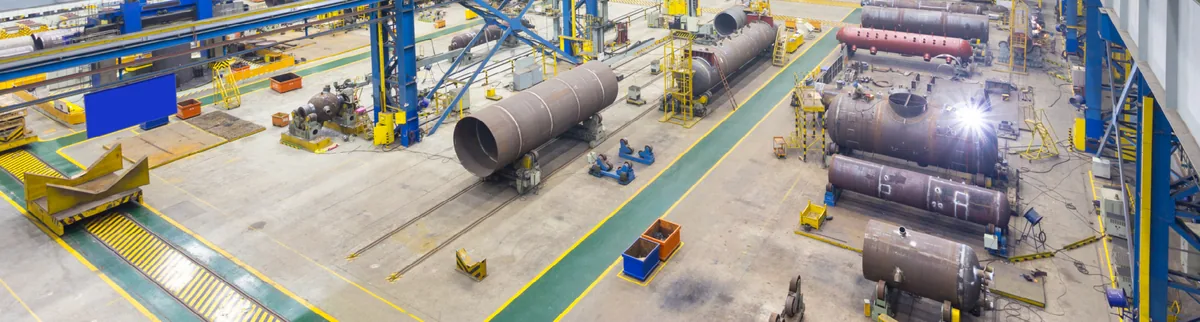
The five stages below follow the manufacturing process documented by the company.
 01
Material verification & incoming inspection
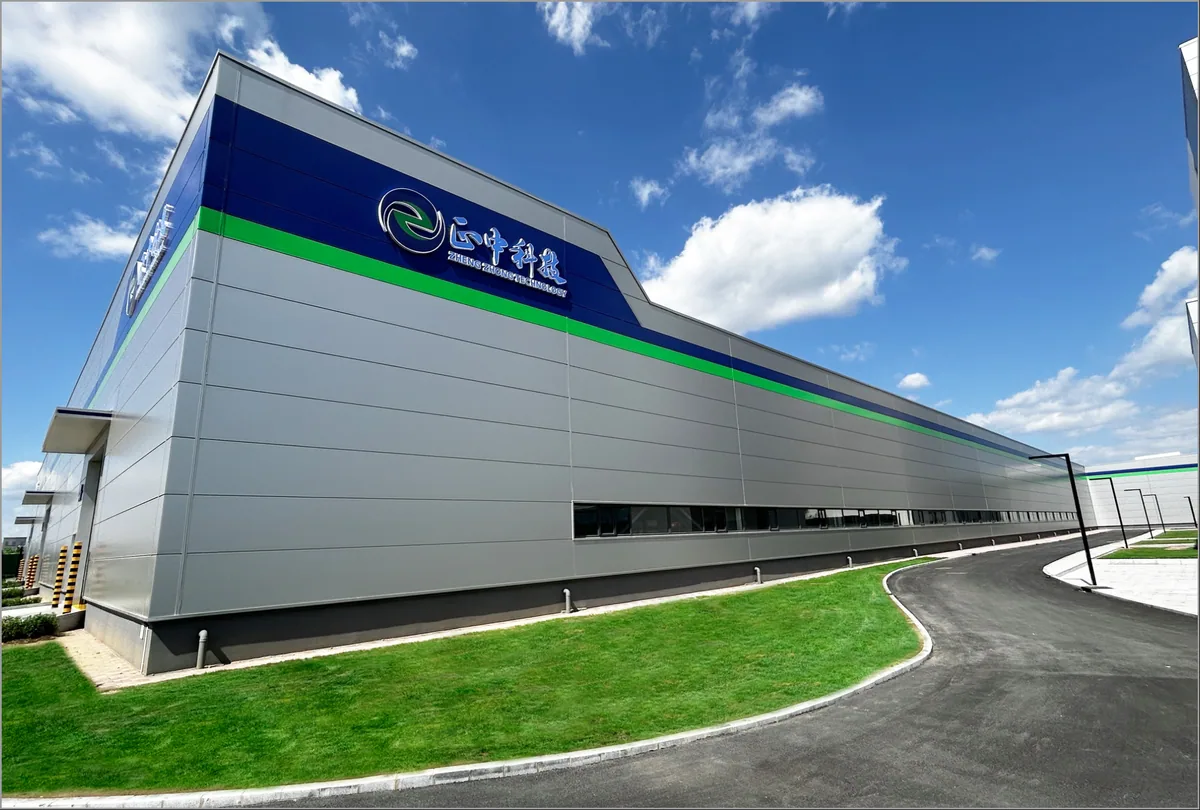
Incoming steel is verified against the purchase specification before any fabrication starts, so the material grade, thickness and certificates are confirmed while the vessel is still on paper.
 02
Cutting, machining, forming & assembly
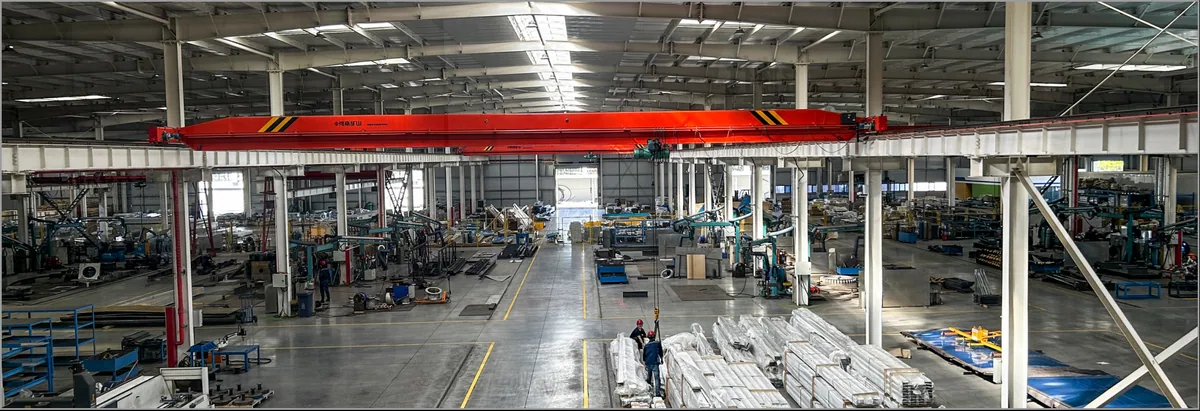
Plate is cut, machined and rolled into shells, then fitted and assembled. The shop floor is organised so forming, machining and assembly run as separate controlled operations under one crane-covered fabrication hall.
03
Welding, WPS/PQR control & PWHT if required
Welding is performed to qualified welding procedures under WPS/PQR control. Post-weld heat treatment is applied where the design code and material require it, and welded vessels are staged in the workshop for final assembly.
 04
NDT, dimensional inspection & hydrostatic testing
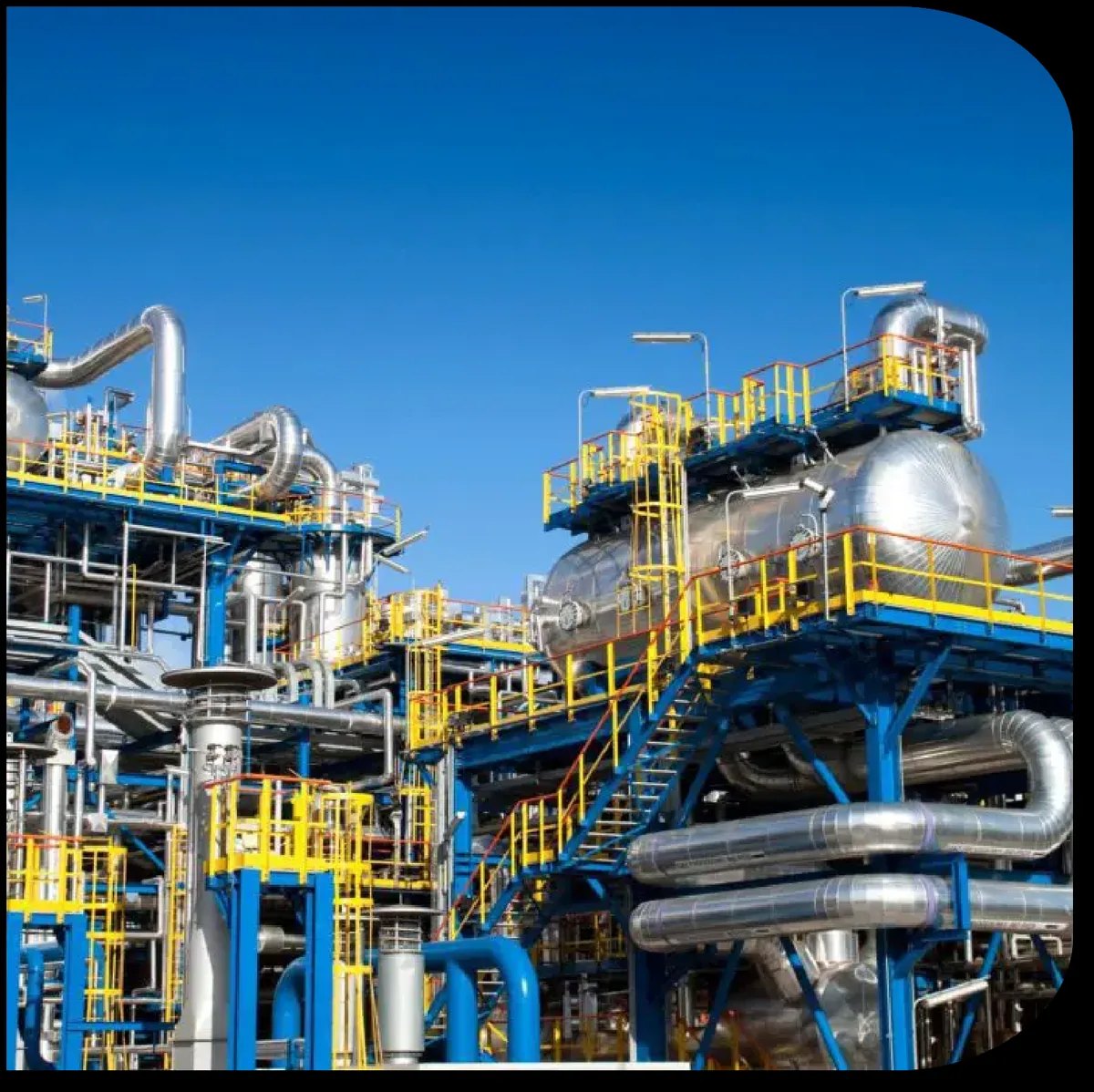
Every pressure boundary is examined before it is proven. Non-destructive testing, dimensional inspection and hydrostatic testing are carried out on the finished vessel, with results recorded against the project documentation.
 05
Surface finishing, documentation & shipment
The final stage covers surface finishing, completion of the quality documentation package and preparation for shipment. The vessel is packed and released only once the documented checks are complete.
Process advantages documented by the company.
Steel from top domestic mills with strength and toughness exceeding industry standards.
Advanced equipment and processes delivering smooth, high-quality welds.
Large-scale equipment ensuring uniform surface preparation for better coating adhesion.
Custom anti-corrosion coatings with stable performance and long service life.
Inspection activities recorded in the manufacturing documentation.
Non-destructive testing of welds and pressure boundaries.
Hydrostatic testing to prove the pressure envelope of the completed vessel.
Pressure testing performed as part of the documented inspection programme.
Dimensional and surface inspection with complete quality documentation before shipment.
Documented inspection activities cover material verification through to final inspection and complete quality documentation.
Steel supplied by qualified domestic mills; material verification and incoming inspection.
WPS/PQR controlled welding performed with advanced welding equipment.
NDT carried out on welds and pressure boundaries prior to pressure testing.
Hydrostatic and pressure testing performed as part of final verification.
Dimensional checks, surface finishing and complete quality documentation before shipment.
Facilities documented in the company manufacturing documentation.
Covered fabrication hall with overhead cranes for cutting, forming, machining and assembly.
Assembly area used for staged welding of shells, heads and nozzles.
Inspection and pressure testing of fabricated pressure equipment.
Sandblasting and spraying capability for anti-corrosion coatings.